Food and Nutrition
Malaysia is a strategic destination for Food & Nutrition education in Asia, sitting at the intersection of two booming sectors: the world's leading Halal food industry (with over RM 50 billion in Halal exports) and a fast-growing wellness and functional food market. Programs are accredited by the Malaysian Qualifications Agency (MQA) and combine the science of food production with the science of human nutrition. Students benefit from industry-aligned curricula, exposure to MNCs like Nestlé, Abbott, and Mead Johnson, and clear career pathways into food product development, public health nutrition, and wellness industries.
What is Food & Nutrition?
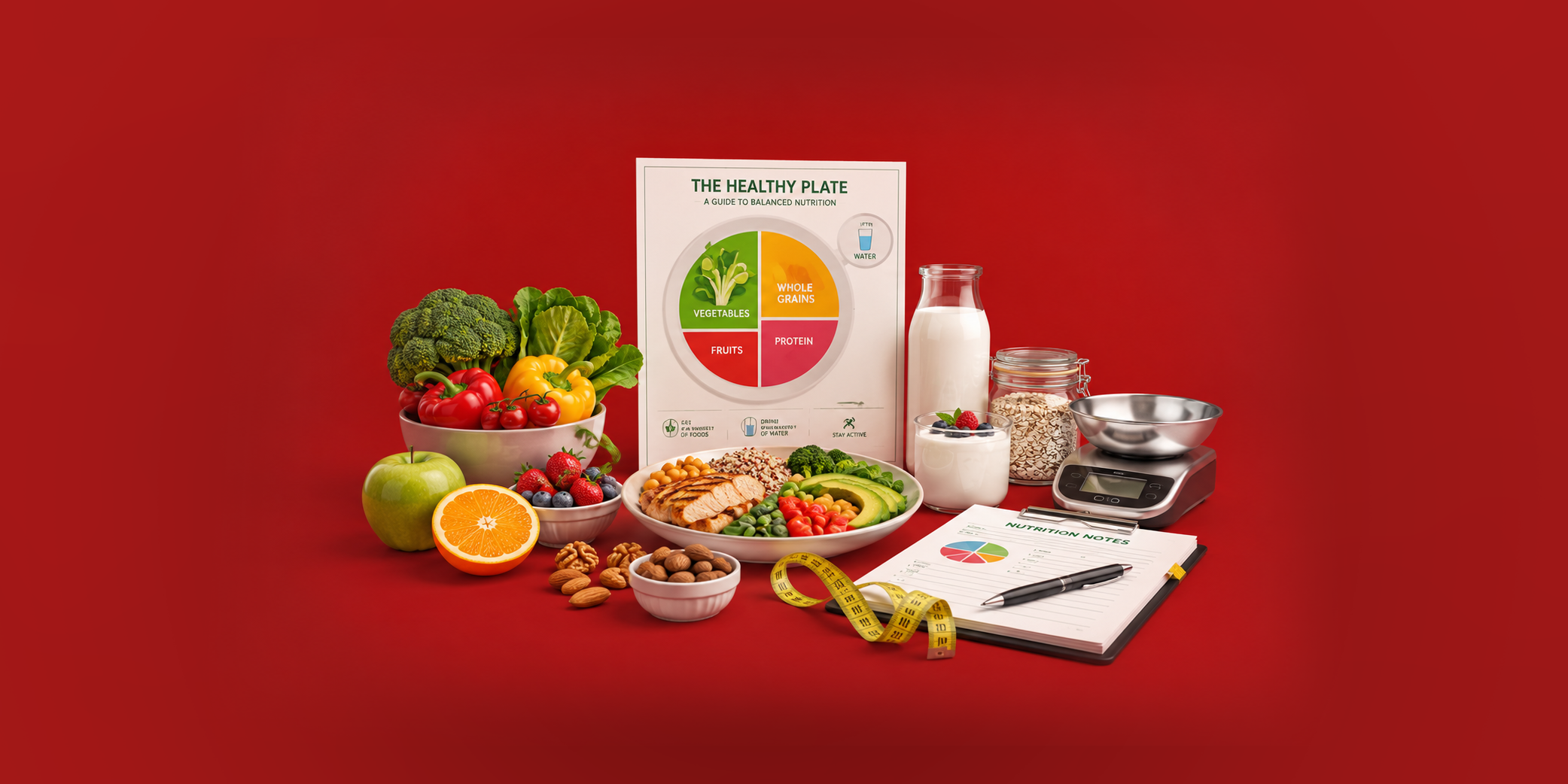
Food & Nutrition is an interdisciplinary field combining food science, nutritional science, and public health. Graduates study how food is produced, processed, and consumed, and how nutrients impact human health across different life stages. Unlike clinical Dietetics (which focuses on medical nutrition therapy), Food & Nutrition takes a broader view — covering food product development, community nutrition, food safety, and public health.
Food & Nutrition programs in Malaysia typically run as 3-year Bachelor's degrees (BSc / BSc Hons), often within Faculties of Health Sciences, Food Studies, or Applied Sciences.
Skills Students Develop in a Food & Nutrition Program
- Food science and processing
- Human nutrition across life stages
- Public health and community nutrition
- Food product development and innovation
- Food safety, regulation, and Halal standards
Food & Nutrition vs Dietetics vs Food Science
- Food & Nutrition: Broad interdisciplinary degree combining food and nutritional sciences — non-clinical.
- Dietetics: Clinical, regulated profession focused on hospital-based medical nutrition therapy.
- Food Science: Focus on food production, processing, and safety — minimal nutrition focus.
Common Programs and Subjects in Food & Nutrition
Malaysian universities like Universiti Putra Malaysia (UPM), Universiti Sains Malaysia (USM), and Taylor's University offer Food & Nutrition programs combining laboratory science, applied nutrition, and food industry training.
Common subjects include:
- Food Chemistry & Biochemistry
- Human Nutrition
- Food Microbiology
- Public Health Nutrition
- Food Product Development
- Maternal, Child & Geriatric Nutrition
- Sensory Evaluation
- Halal Food Science
- Food Safety & Regulations
- Nutrition Communication & Education
Industry Partnerships in Malaysian Universities
Malaysian universities maintain strong partnerships with global food companies, public health agencies, and Halal certification bodies to align Food & Nutrition education with industry needs.
Global Food & Nutrition Partners: Nestlé, Abbott Nutrition, Mead Johnson, Fonterra, Herbalife, Mondelez, Unilever, F&N
International University Partners: Various Malaysian universities maintain joint programs and curriculum partnerships with leading nutrition and food science schools in the United Kingdom, Australia, and the United States, allowing for student exchanges and dual exposure.
Industry & Government Bodies: Ministry of Health Malaysia (MOH), Nutrition Society of Malaysia (NSM), Malaysian Department of Islamic Development (JAKIM — Halal certification), Malaysian Agricultural Research and Development Institute (MARDI), Codex Alimentarius (FAO/WHO), and Malaysian Qualifications Agency (MQA).

- 303 (Asia)
- 272 (Globally)
- 138 (Globally)
- 130 (Globally)
- 31 (Globally)
Your Career Path
What are the entry requirements for a Food & Nutrition degree in Malaysia?
Entry into a Bachelor of Food & Nutrition program in Malaysia is governed by the Malaysian Qualifications Agency (MQA). Typical requirements include:

Bachelor's Programs:
- A-Levels: Pass in 2 subjects with minimum CCC including Biology and Chemistry
- STPM: Minimum CGPA 2.50 with credits in Biology and Chemistry
- Foundation in Science: Minimum CGPA 2.50 with Biology and Chemistry
- Matriculation: Minimum CGPA 2.50 in Biology and Chemistry
- International Baccalaureate (IB): Minimum 24 points
- UEC: At least 5 Bs including Biology and Chemistry
- Diploma in Nutrition / Food Science / Health Sciences: Minimum CGPA 2.50
SPM / O-Level / IGCSE Requirements:
- Minimum 5 credits including English, Mathematics, Biology, Chemistry, and one other subject
Other Requirements:
- IELTS 5.5–6.0 or equivalent for international students
- Strong foundation in Biology and Chemistry is essential
Postgraduate Programs:
- Master's in Food & Nutrition: Bachelor's in Food, Nutrition, or related field with CGPA ≥ 2.75
- PhD in Nutrition Sciences: Master's degree with research proposal.
How much does it cost to study Food & Nutrition in Malaysia?
Food & Nutrition tuition varies between public, private, and international branch universities:
- Public Universities (international students): Approximately MYR 25,000 – MYR 38,000 per year
- Private Universities: Approximately MYR 30,000 – MYR 42,000 per year
- International Branch Campuses: Approximately MYR 38,000 – MYR 48,000 per year
- Total Program Cost (3-year Bachelor): MYR 75,000 – MYR 145,000 depending on institution
- Master's (1–2 years): MYR 30,000 – MYR 80,000 total
- Living Expenses: MYR 1,500 – MYR 3,000 per month (accommodation, food, transport, utilities)
Studying in Malaysia is significantly more affordable than the UK, US, or Australia, while delivering globally recognized qualifications and unique exposure to Halal food markets.
sia?
What is the job market outlook for Food & Nutrition graduates in Malaysia?
Food & Nutrition is one of Malaysia's most stable career fields, supported by both the food industry and the rising wellness market. Demand is particularly strong for:
- Product development specialists at MNC food companies
- Public health nutritionists in government health promotion roles
- Halal compliance specialists for export-focused food businesses
- Wellness and corporate nutritionists in HR and benefits departments
Major employers include Nestlé Malaysia, Abbott Nutrition, F&N, Mondelez, Mamee, Yeo's, Ministry of Health, JAKIM, and a growing number of wellness startups.
What are the starting salaries for Food & Nutrition graduates in Malaysia?
- Entry-level Nutrition Officer (fresh graduate): RM 2,500 – RM 4,000 per month
- Public Health Nutritionist (1–4 years): RM 3,500 – RM 5,500 per month
- Food Product Development Specialist: RM 4,000 – RM 6,500 per month
- Senior Nutritionist (5+ years): RM 6,000 – RM 10,000+ per month
- Halal Compliance Specialist: RM 5,500 – RM 12,000+ per month
- R&D / Senior Industry Specialist: RM 10,000 – RM 18,000+ per month
- Annual range: RM 30,000 – RM 200,000+ per year depending on industry and seniority
Industry roles in MNC food companies typically pay more than government and community-sector positions. International postings (Middle East, Singapore) can pay 2–3x higher, especially for Halal expertise.
Why should you study Food & Nutrition in Malaysia?
Malaysia offers a balanced and globally relevant Food & Nutrition education: MQA-accredited programs, English-medium instruction, modern food and nutrition labs, and affordable tuition compared to Western countries. Students benefit from exposure to one of the world's largest Halal food markets, partnerships with global FMCG companies, and clear pathways into public health, food product development, and wellness careers — making Malaysia a smart, future-ready destination to study Food & Nutrition.