Translate-Icon-English-Selected
University
Course
Translate-Icon-English-Selected
Fields-of-Study-Image-Petroleum-Engineering

Petroleum Engineering

Study Petroleum Engineering in Malaysia. Master upstream oil and gas technologies, reservoir management, and drilling. Earn UK/Australian Dual Degrees and train in the energy capital of Southeast Asia with PETRONAS linked programs.

Studying Petroleum Engineering in Malaysia puts you at the heart of the Asia Pacific energy sector. As home to PETRONAS, a global Fortune 500 energy giant, Malaysia is a regional leader in offshore deepwater exploration and production.

With the launch of the National Energy Transition Roadmap (NETR), Petroleum Engineering in Malaysia is evolving. Students now learn to balance traditional oil and gas extraction with Carbon Capture and Storage (CCS) and sustainable reservoir management. Supported by the Board of Engineers Malaysia (BEM) and the Washington Accord, graduates are globally mobile and ready for high stakes roles in the energy industry.

What Is Petroleum Engineering?

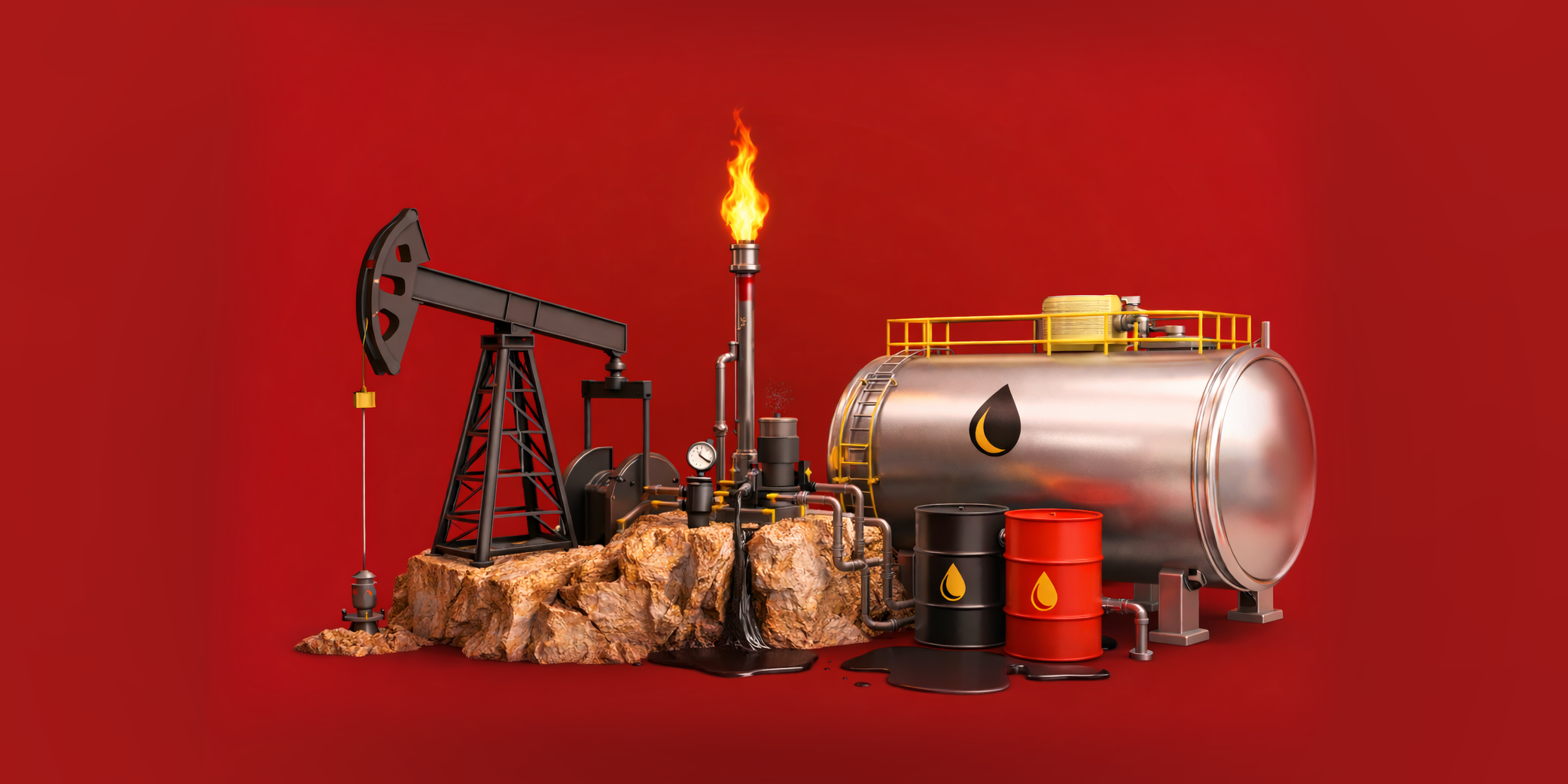
Petroleum Engineering focuses on the exploration, extraction, and production of oil and natural gas from beneath the earth's surface. It involves maximizing economic recovery while minimizing environmental impact.

Key Skills Students Learn in Petroleum Engineering

Students in Malaysia gain a technical skill set designed for the future of energy:

  • Drilling Engineering
  • Reservoir Simulation
  • Production Technology 
  • Enhanced Oil Recovery (EOR)

Petroleum Engineering vs. Chemical Engineering

Petroleum Engineering: Focuses on the Upstream sector finding and extracting the raw resource from the ground.

Chemical Engineering: Focuses on the Downstream sector refining the raw oil into products like petrol, plastics, and chemicals.

Common Petroleum Engineering Programs in Malaysia

Leading universities offer specialized tracks aligned with the evolving energy landscape:

  • Drilling Engineering & Well Technology
  • Reservoir Geoscience & Engineering
  • Production Technology & Operations
  • Subsea & Deepwater Engineering
  • Natural Gas Engineering
  • Energy Transition & Carbon Capture (CCUS)

Industry Partnerships in Malaysian Universities

Programs are developed in lockstep with the energy industry to ensure students graduate with skills .

Global Energy Partners:

PETRONAS, Shell,  Halliburton, Schlumberger (SLB), Baker Hughes.

Professional Accreditations:

Board of Engineers Malaysia (BEM), Washington Accord, Institute of Materials, Minerals and Mining (IOM3).

I nternational University Partners:

  • Heriot Watt (UK), Curtin University (Australia), University of Adelaide.
  • Dual Degree options for UK/Australian professional engineering status.

Industry & Innovation Leaders:

  • TechnipFMC, Sapura Energy, MISC, Dialog Group.
  • Internships and capstone projects in offshore platforms and digital oilfield management.

Institution Type:
Private University
Year Established:
2002
Rank
Location
Kuala Lumpur + Multiple Campuses
Price Range
RM 5,500
- RM 380,000
Institution Type:
Private University
Year Established:
1997
Rank
Location
Seri Iskandar
Price Range
RM 23,298
- RM 240,000
Institution Type:
Private University
Year Established:
1993
Rank
Location
Kuala Lumpur
Price Range
RM 2,750
- RM 137,200
Institution Type:
Private University
Year Established:
1986
Rank
Location
Kuala Lumpur + Multiple Campuses
Price Range
RM 14,400
- RM 487,950
Institution Type:
Public University
Year Established:
1972
Rank
Location
Johor Bahru + Multiple Campuses
Price Range
RM 25,400
- RM 76,000

Your Career Path

Graduates in Petroleum Engineering can pursue a wide range of high demand career paths, including:
Production Engineer
Commissioning Engineer
Reservoir Engineer
Well Completion Engineer
Drilling Engineer
Process Engineer
Oil & Gas Design Engineer
Plant Engineer
Petroleum Geologist

What are the Entry Requirements for a Petroleum Engineering Degree?

  • Undergraduate (Bachelor’s):
    Academic: Successful completion of High School (A-Levels, STPM, IGCSE, or equivalent) with a strong emphasis on Mathematics and Physics. Most top tier universities require a minimum grade of B or a CGPA of 3.0.
  • English Proficiency: An IELTS score of 5.5 – 6.5, or a TOEFL iBT score of 60–90, depending on whether you choose a local private university or a foreign branch campus.
  •  Postgraduate (Master’s/PhD):
    A Bachelor’s degree in Engineering, Geoscience, or a related Science field with a CGPA of 2.50 or higher.

Applicants with a lower CGPA may be considered if they possess 5+ years of technical experience in the oil and gas industry.

How much does it cost to study Petroleum Engineering in Malaysia?

  • Tuition Fees:
    Private Universities (e.g., UTP, UCSI): RM 35,000 – RM 48,000 per year.
    Foreign Branch Campuses (e.g., Heriot-Watt, Curtin): RM 48,000 – RM 62,000 per year.
  • Living Expenses: Students should budget between RM 1,800 and RM 3,500 per month. This covers high quality student accommodation, meals, transport, and utilities. Costs in regional hubs like Miri (Sarawak) are generally 15-20% lower than in central Kuala Lumpur.

Is a Malaysian Petroleum Engineering degree recognized globally?

Yes, absolutely. Most Malaysian engineering programs are accredited by the Board of Engineers Malaysia (BEM), which is a signatory to the Washington Accord. This means your degree is recognized as equivalent to those from the USA, UK, Australia, and Canada, allowing you to register as a professional engineer internationally. Top universities also hold specific accreditations from the Institute of Materials, Minerals and Mining (IOM3) in the UK.

What are the starting salaries for Petroleum Engineers in Malaysia?

  • Petroleum Engineering remains one of the highest paying entry level professions in the country:
  • Onshore/Office-based Roles: RM 4,500 – RM 8,500 per month.
  • Offshore/Site-based Roles: Including hardship and site allowances, fresh graduates can earn between RM 9,000 and RM 14,000 per month.
  • Specialized Technical Roles: Junior Reservoir Modelers or Drilling Data Analysts often see rapid salary increments within the first 24 months of employment.

Why choose Malaysia over other countries for this specific major?

  • Live Industry Lab: Unlike many countries where the industry is distant, Malaysian universities like UTP and Curtin are physically located near active refineries and offshore support bases.
  • The PETRONAS Advantage: Many programs are directly influenced by PETRONAS’s technical standards, giving students insider knowledge of how one of the world's most profitable energy companies operates.
  • Affordability: You receive a world class, Western accredited engineering education at roughly one third the cost of studying in the UK or Australia.

Key Info

Location:
Malaysia
Program Levels:
Diploma/ Bachelor/ Master/ PhD
Price Range:
RM 35,000
- RM 120,000

Explore Related Petroleum Engineering Courses in Malaysia

FREE GUIDANCE

Not sure which field suits you?

Our advisors will help you find the right field in minutes — completely free.